
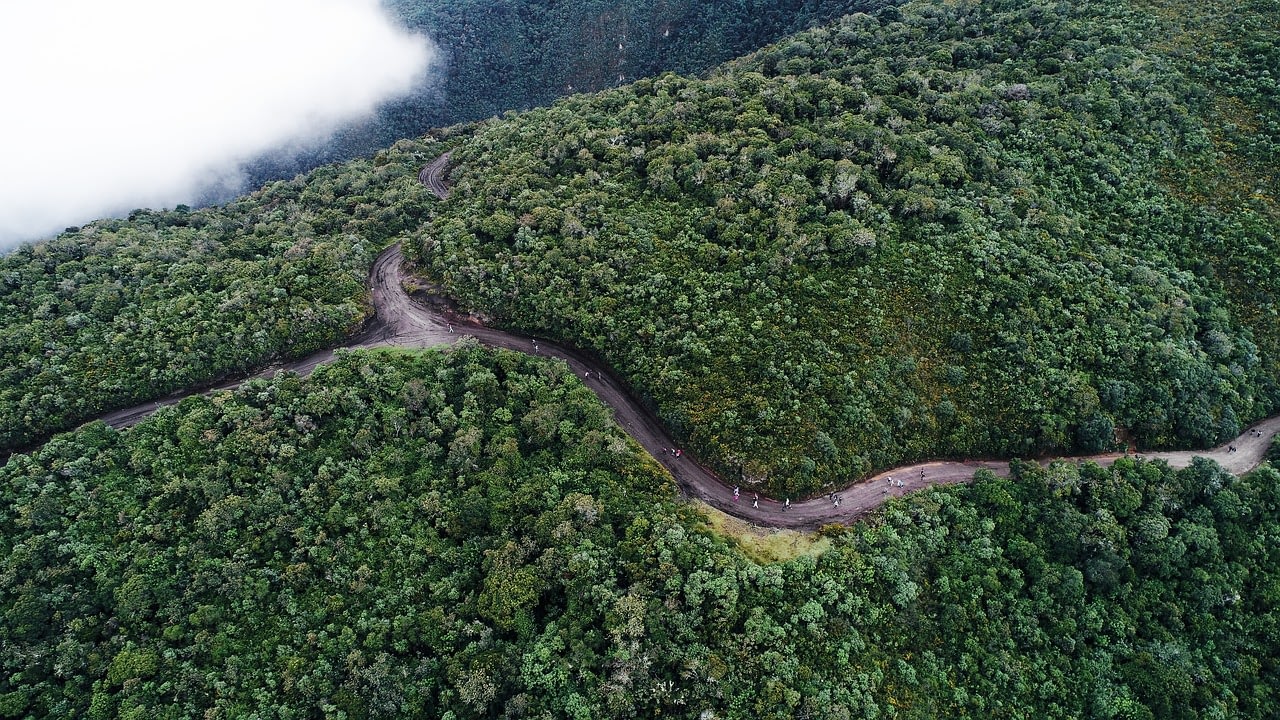
In many places around the world, nature is something we try to protect – a fragile system that relies on policy, conservation projects, and good intentions.
In Ecuador, the relationship runs deeper.
Here, nature is not simply protected. It has rights.
Since 2008, Ecuador’s constitution has recognised the natural world, rivers, forests, mountains and ecosystems as legal entities with the right to exist, regenerate and thrive. Known as the ‘rights of nature’, this idea reflects a worldview long held by many Indigenous communities across the country: that people and landscapes are not separate, but part of the same living system.
For travellers, this philosophy quietly shapes the way Ecuador feels. It’s present in the way communities speak about their land, in the way wildlife reserves are protected, and in the way tourism often centres stewardship rather than spectacle.
To travel here is to step into a place where coexistence with nature isn’t just an aspiration, it’s written into the foundations of the country itself.
Living the Philosophy of Buen Vivir
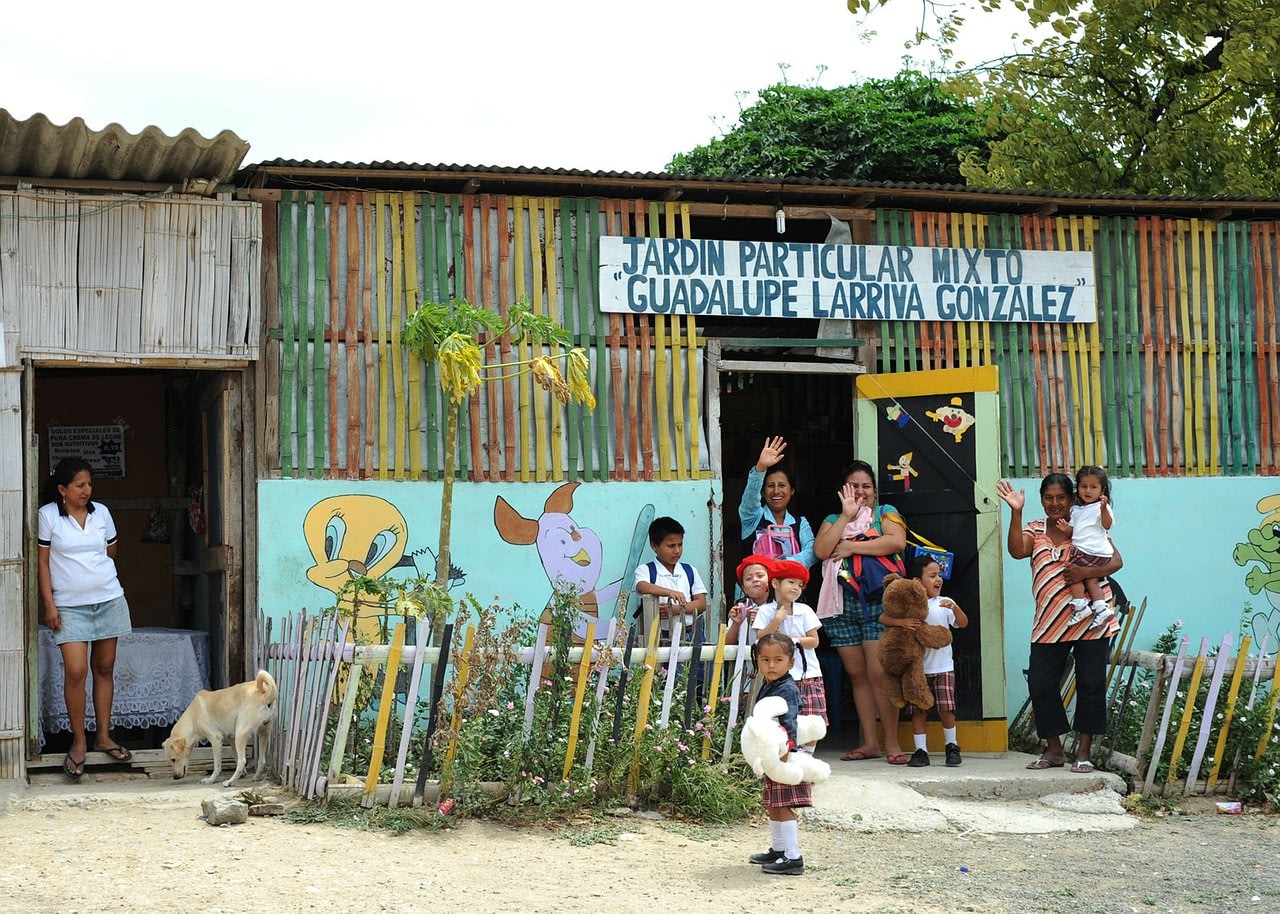
The concept behind Ecuador’s environmental identity is often described through the Andean philosophy of Buen Vivir, or ‘living well’.
Rather than measuring progress purely through economic growth, Buen Vivir centres harmony between people, communities, and the ecosystems that sustain them. It recognises that wellbeing comes from balance: healthy forests, thriving cultures, and shared responsibility of the land.
This perspective is deeply rooted in Ecuador’s Indigenous traditions, where mountains are revered, rivers are respected, and forests are seen not as resources to exploit but as living relatives.
While the rights of nature enshrined in Ecuador’s constitution brought international attention to this idea, the values themselves have long existed in everyday life across the country, from the Andean highlands to the depths of the Amazon rainforest.
For travellers seeking meaningful experiences, this approach offers something rare: a destination where environmental protection and cultural identity co-exist and are in partnership with ‘tourism’.
The Cloud Forest: Conservation in Action

Just a few hours from Quito, the Andes dissolve into mist and greenery as the road climbs towards one of Ecuador’s most enchanting ecosystems – the cloud forest.
Here, at Bellavista Cloud Forest Reserve, nature’s rights feel less like a concept and more like something tangible. Moss-covered trees drip with orchids, hummingbirds dart between branches, and clouds drift quietly through the forest canopy.
On our three-day cloud forest experience, travellers explore this remarkable landscape through guided walks led by naturalist guides who know the forest intimately. Early morning birdwatching hikes reveal the extraordinary avian diversity of the region, while afternoon treks uncover hidden trails and waterfalls deep within the reserve.
Evenings bring a different perspective, as night walks reveal the forest’s quieter inhabitants and the sounds of insects and amphibians fill the air.
Bellavista holds a special place in Ecuador’s conservation story. Covering 347 hectares of pristine cloud forest, it became Ecuador’s first Private Protected Area and now forms part of the country’s National System of Protected Areas. The reserve is sustained entirely through ecotourism, meaning each visit directly supports the protection of this fragile ecosystem.
Experiences like this are part of our Wonders of Ecuador itinerary, where travellers can immerse themselves in Ecuador’s extraordinary biodiversity while helping give back and directly contributing to its preservation.
The Amazon: Where Communities Protect the Forest

If the cloud forest reveals Ecuador’s biodiversity, the Amazon reveals its deeper cultural relationship with nature.
Travelling deep into the Yasuní Biosphere Reserve, one of the most biologically rich places on Earth, visitors encounter a rainforest that is not only protected but actively cared for by the people who call it home.
On our four-day Amazon experience, the journey begins with a flight over the eastern Andes before continuing by river canoe into the forest. From here, days unfold slowly, walking jungle trails in search of monkeys and birds, watching parrots gather at clay licks, or drifting quietly along the Napo River at sunset.
Cultural encounters are just a natural part of each day. At the Kury Muyu intercultural centre, Kichwa women share traditional crafts and knowledge, while evenings might be spent listening to local legends shared by community guides.
The lodge itself is fully managed by the Kichwa Añangu community, they not only operate the lodge but also directly benefit from the project’s success, ensuring that tourism directly supports conservation, education and employment for local families.
It’s a powerful example of active responsible travel in Ecuador. Where those protecting the forest are also welcoming travellers to experience the forest.
Experiences like this have been woven into various Beyond Tourism Ecuador itineraries , such as the Wonders of Ecuador and the Ecuador Explorer, both itineraries connect travellers with the natural and cultural richness of the country.
Ecuador’s Landscapes: A Country of Living Ecosystems
Beyond the cloud forests and Amazon basin, Ecuador’s landscapes continue to reflect the same spirit of guardianship.
Volcanic peaks rise dramatically across the Andes, including Cotopaxi, one of the world’s highest active volcanoes. Indigenous markets fill highland towns with colour, textiles and traditional foods, while rural communities maintain agricultural traditions that have sustained the region for centuries.
In the capital city of Quito, one of the most well preserved colonial cities in Latin America, this meeting of cultures and landscapes is especially visible. Surrounded by mountains and perched high in the Andes, the city acts as a gateway to the diverse ecosystems that define Ecuador.
And of course, Ecuador’s environmental story would be incomplete without mentioning the Galápagos Islands, whose unique wildlife inspired Charles Darwin’s theory of evolution and continues to shape global conversations about conservation.
Together, these ecosystems form one of the most biodiverse countries on the planet.
Travelling Responsibly in Ecuador
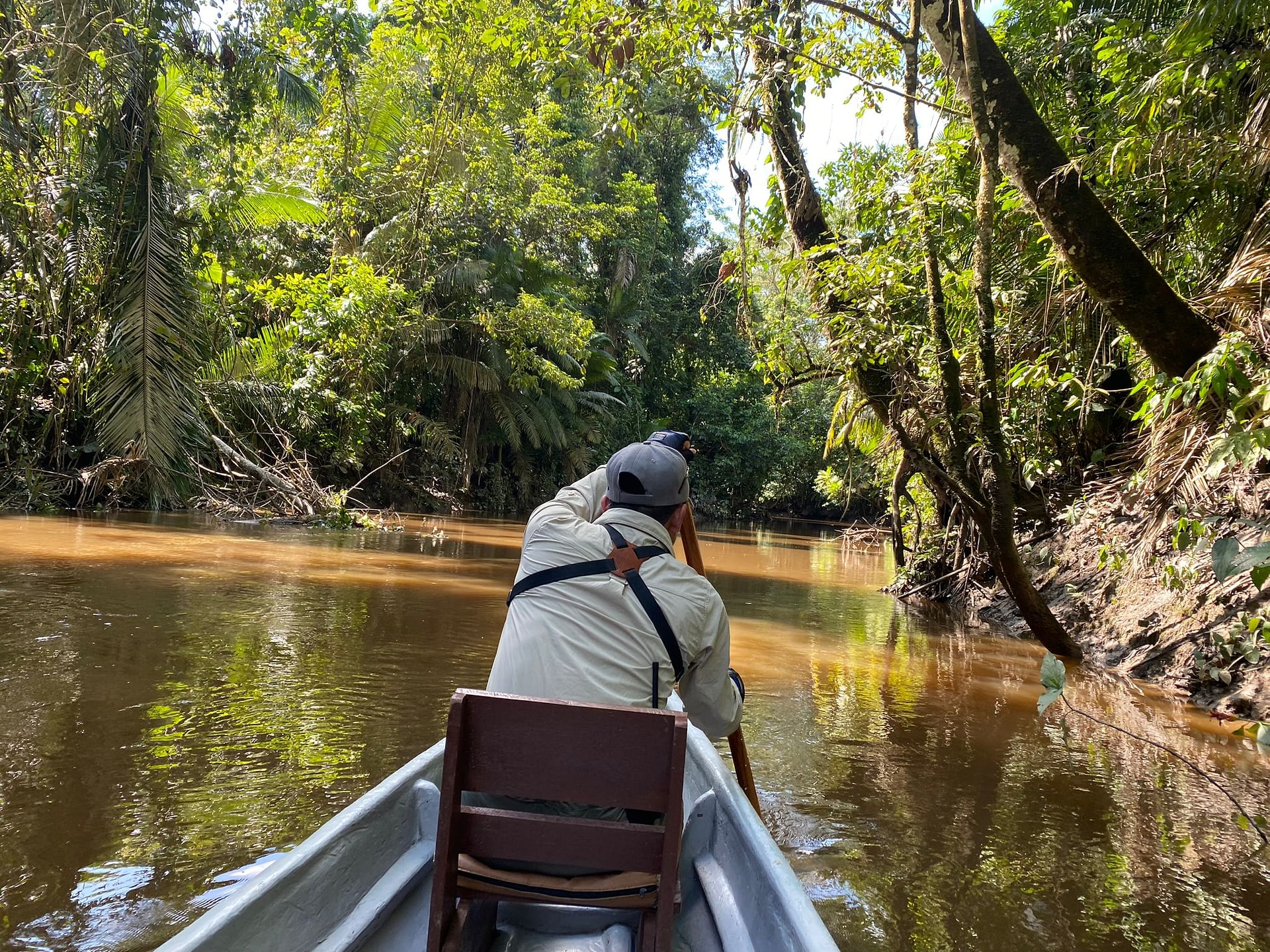
For travellers concerned about the impact of tourism on fragile environments, Ecuador offers an encouraging example of how travel can contribute positively.
Responsible travel here means choosing experiences that support local communities, respect ecosystems and encourage cultural exchange rather than passive observation. In Ecuador you will find some fantastic family owned hotels and lodges, including some wonderful working haciendas, where you can stay and support the communities.
Journeys such as our Wonders of Ecuador itinerary weave together cloud forests, wildlife encounters, and Amazon exploration, offering travellers a deeper understanding of the country’s biodiversity and cultures.
Meanwhile, the Ecuador Explorer journey focuses on the Andean highlands, indigenous markets, colonial towns and volcanic landscapes, revealing Ecuador through its people, history and traditions.
Both reflect a slower, more thoughtful style of travel where guides share their local knowledge, accommodation remains small-scale and community-run, and encounters with landscapes feel immersive rather than hurried.
What the World Can Learn from Ecuador
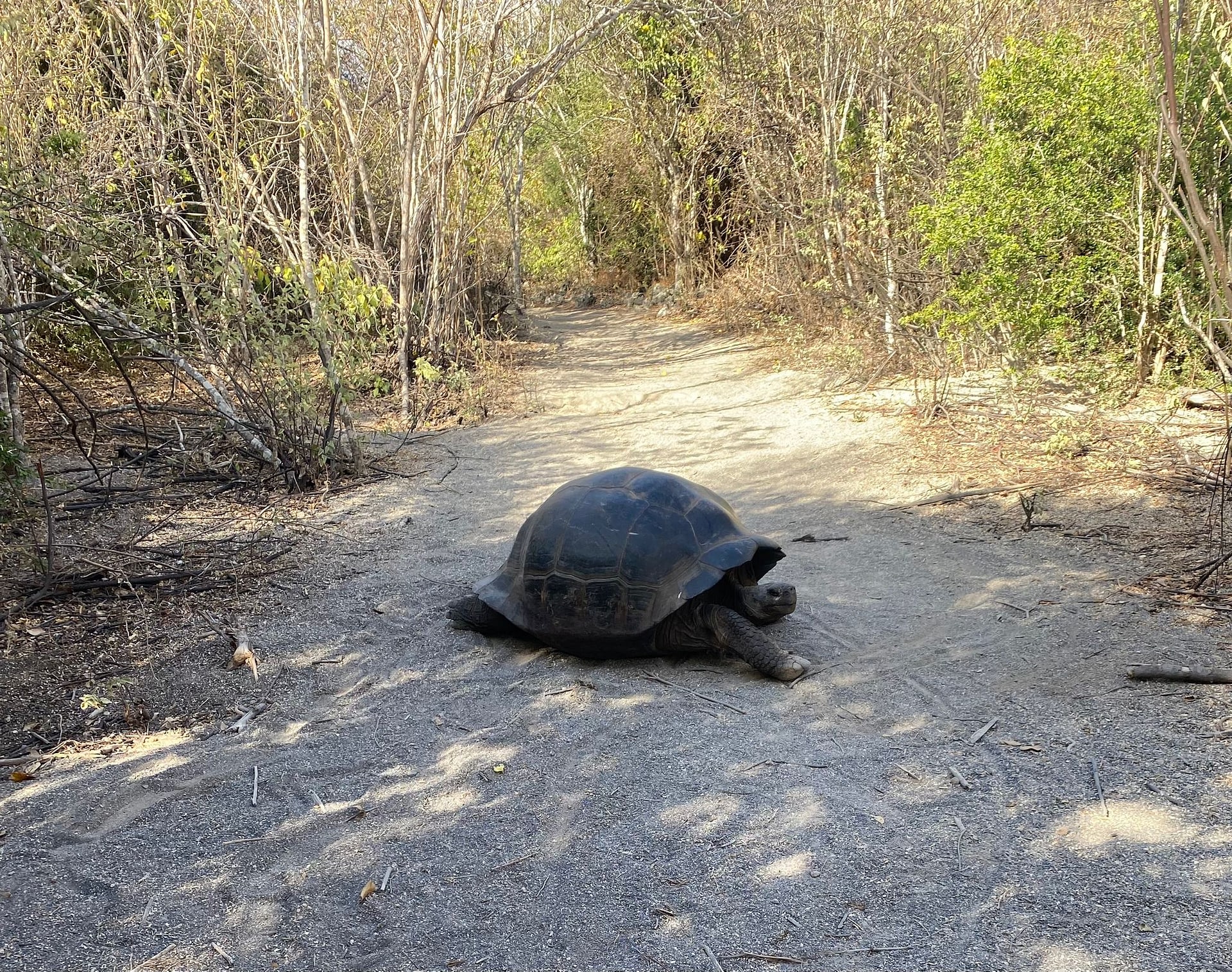
Ecuador’s recognition of nature’s rights sparked global attention when it was first written into the constitution. Today, the conversation continues as the country navigates how best to protect these ideals in a changing world.
But beyond politics or policy, Ecuador offers something more enduring – a reminder that environmental protection can begin with a shift in perspective.
When rivers are seen as living systems rather than resources, when forests are recognised as guardians of biodiversity rather than commodities, and when communities remain connected to their landscapes, the relationship between people and nature thrives.
Travel, when done thoughtfully, can become part of that thriving relationship.
By visiting places where conservation and culture remain deeply intertwined, travellers help sustain the communities and ecosystems that keep these values alive.

Ready to explore a country where nature isn’t just protected – it’s respected?
Get in touch with our Ecuador travel specialists to begin planning a meaningful adventure that benefits both people and planet.
Further Reading